
Categories
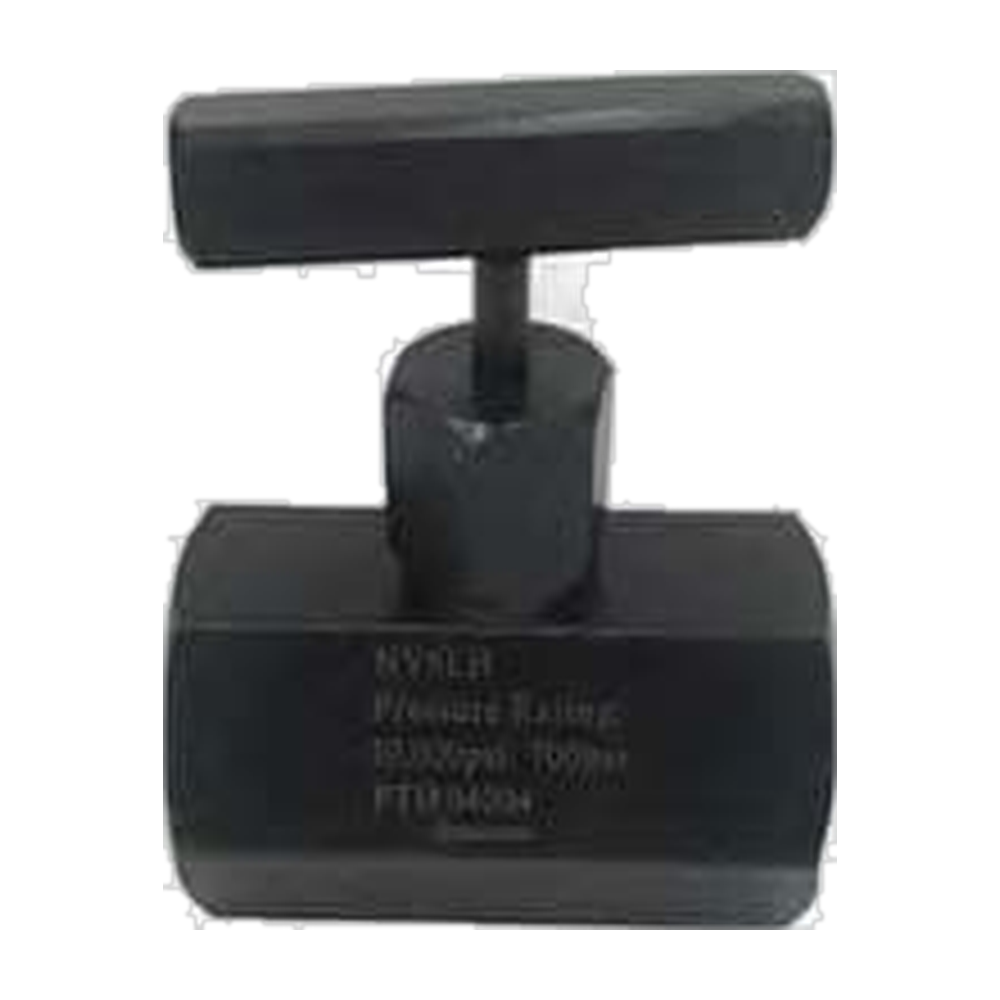
BOSS 700 Bar Hydraulic Load Holding Valve - Needle, Check and Pilot Operated, 3/8 inch NPT
SKU CV6
AU$137.30
Choose your valve
Please choose
In stock
1
Save this product for later
Customer reviews
Reviews only from verified customers
No reviews yet. You can buy this product and be the first to leave a review.
BOSS 700 Bar Hydraulic Load Holding Valve - Needle, Check and Pilot Operated, 3/8 inch NPT
Product Details
Brand: BOSS
Weight: 0.30 kg
BOSS 700 Bar Hydraulic Load Holding Valve – Needle, Check and Pilot Operated, 3/8" NPT
Four ways to hold a load on a 700 bar circuit, each doing a different job. A needle style load holder lets you meter the load down and stop it anywhere. A plain check valve holds it one way and nothing else. A pilot operated check holds until you deliberately pilot it open, which is the one you want when a hose could be damaged. All 3/8" NPT, all rated to the full 10,000 psi, all with a built in relief where the datasheet says so.
Ways to buy
- CV6 – plain inline check valve, 3/8" NPT male threads. The cheapest way to stop a ram creeping back.
- NV6LH – needle valve style load holding with bypass flow control on the return and a built in relief vented to atmosphere.
- LHV6 – load holding valve with bypass flow control and a built in relief.
- PCV6 – inline pilot operated check valve, 3/8" NPT female threads, for circuits that must hold if a hose fails.
- Just need to shut a line off? – the NV6 and NV6F shut off valves are cheaper. See the button below.
Pick your load holding valve
| Model | Type | Threads | Built In Relief | Max Pressure | Weight (kg) |
|---|---|---|---|---|---|
| CV6 | Inline check valve | 3/8" NPT male | No | 700 bar / 10,000 psi | 0.3 |
| NV6LH | Needle style load holding, bypass flow control on return | 3/8" NPT | Yes, vented to atmosphere | 700 bar / 10,000 psi | 1.0 |
| PCV6 | Inline pilot operated check valve | 3/8" NPT female | No | 700 bar / 10,000 psi | 1.6 |
| LHV6 | Load holding valve, bypass flow control on return | 3/8" NPT | Yes, vented to atmosphere | 700 bar / 10,000 psi | 0.9 |
Drawings and dimensions
Click any drawing to open it full size.


What is in the box
- One valve.
- Adaptors, hoses and couplers are not included – order them separately.
Specifications
| Specification | Detail |
|---|---|
| Brand | BOSS |
| Origin | Made in Taiwan |
| Maximum working pressure | 700 bar / 10,000 psi |
| Threads | 3/8" NPT |
| Types | Check, pilot operated check, needle style load holding |
| Relief | Built in and vented to atmosphere on NV6LH and LHV6 |
| Return flow | Bypass flow control on NV6LH and LHV6 |
| Weight range | 0.3 kg to 1.6 kg |
How to choose
- Only stopping creep-back? A CV6 check valve is all you need and it is the cheapest part here.
- Need to lower the load under control? NV6LH or LHV6 – the bypass gives you a metered return.
- Load must stay up if a hose is damaged? PCV6. A pilot operated check will not open without pilot pressure.
- Watch the thread genders. CV6 is male-male, PCV6 is female-female. Order adaptors if you need them.
- Not sure? Describe the circuit and we will pick it. Call 1300 146 737.
Technicians Advice
Two rules matter more than anything in the datasheet.
A valve is not a support. A closed needle valve, a load holding valve, even a pilot operated check – every one of them is holding a column of oil against a seat, and every seat weeps eventually. They are there so you can control and park a load while you work, not so you can walk away from it.
Get packers, blocks or stands under the load and take the pressure off.
Fit them the right way round. Check valves and load holding valves are directional and most of them have an arrow on the body; plumbed backwards a check valve simply blocks the circuit, and a load holding valve either does nothing or traps pressure where you cannot release it. Beyond that: these are NPT threads, so seal on the thread with a hydraulic sealant or two wraps of PTFE started a full thread back from the end, never over the first thread, and never on a coupler face.
Mount valves so the adjuster is reachable and the body is not taking the weight of a hose. And when you set a relief or a regulator, set it with the circuit warm and the pump at working speed – a figure dialled in on cold oil first thing in the morning will not be the same figure at smoko.
Official Datasheets
📄 Load Holding Valve Specifications (PDF)📄 Shut Off and Pressure Relief Valve Specifications (PDF)Complete your setup
Directional Control ValvesPressure Relief and Regulator ValvesBOSS Shut Off and Needle ValvesBOSS 700 Bar Hydraulic HoseBOSS C-Series CylindersNeed help choosing? Call 1300 146 737 or email sales@mhfgc.com.au – real technicians, real answers.
Display prices in:AUD