Categories
High Torque Motors (Geroler)
Geroler motors carry hardened rollers in the stator pockets, so the contact rolls instead of sliding.
That gives more torque from the same frame size and far less internal wear, so they hold up running continuously under pressure. Best for winches, wheel and track drives and augers that work all day. Covers MR, MLHR, RL, MH and MLHH plus the value-line BMR and BMRS.
Geroler motors put hardened rollers in the stator pockets, so the contact rolls instead of sliding. That one change is why they make more torque from the same frame size as a gerotor, run cooler, and wear far more slowly. If the motor is going to work hard, all day, or carry a real side load on the shaft, this is the range to be in.
What these suit
Winch and capstan drives, wheel and track drives, post hole diggers and augers that work all shift, rotary cutters, feed mixers, road brooms, drum and reel drives - the jobs where a cheaper motor gets hot and then gets replaced. They also pull away better under load, which matters on anything that has to break out from a standstill.
Choosing one
Pick displacement first for the speed and torque you need at your pump flow, then the mount to suit your bracket, then the shaft to suit your coupling, then seal and port options. Note the high-pressure seal choices: a 200 bar or 250 bar shaft seal is worth having if the motor sees pressure spikes or runs near relief. Every combination is listed as its own factory code with its own price.
Side load and bearing choice
Where the drive is by chain, belt or gear rather than a straight coupling, the shaft carries side load and the bearing arrangement decides how long the motor lasts. Needle roller bearings are standard through most of this range and available as an option on the rest - the listing tells you which.
What these replace
Interchanges with Danfoss OMR and OMRS, Eaton and Char-Lynn S Series, Parker TF and TG, White WR and WG, Bosch MGR and BS, and the Brevini BRE range. Full cross-references and the factory part number breakdown are on every listing.
Refine by
On Sale
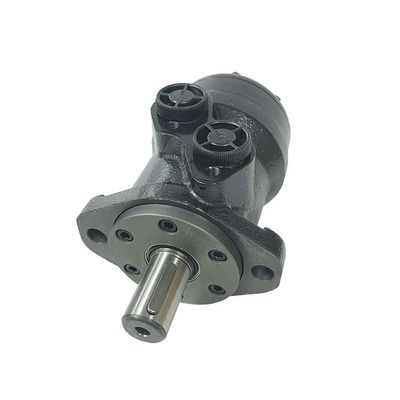
Zhenjiang BMR Series Geroler Hydraulic Motor 36 to 400cc - Replaces Danfoss OMR, Bosch MGR, White WR, M+S MR
Zhenjiang BMR Series Geroler Hydraulic Motor 36 to 400cc - Replaces Danfoss OMR, Bosch MGR, White WR, M+S MR
Rollers in the gear star for higher pressure tolerance and smoother low-speed torque than a plain Gerotor. Needle bearings standard on every size. 12-month warranty.
was AU$550.00
Save 12%
AU$484.00
On Sale
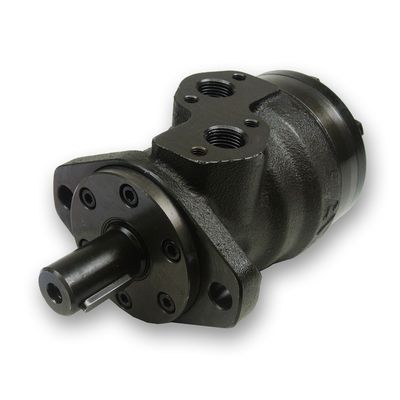
M+S MR High Torque Geroler Hydraulic Motor 50 to 400cc - Replaces Danfoss OMR, Bosch MGR, Brevini BRE, White WR, Zhenjiang BMR
M+S MR High Torque Geroler Hydraulic Motor 50 to 400cc - Replaces Danfoss OMR, Bosch MGR, Brevini BRE, White WR, Zhenjiang BMR
Roll-Geroler Motor — Higher Pressure and Smoother Low-Speed Torque than a Gerotor — 9 Sizes, SAE A 2-Bolt, 1 Inch Keyed Shaft, 12-Month Warranty
was AU$798.00
Save 14%
AU$690.10
On Sale
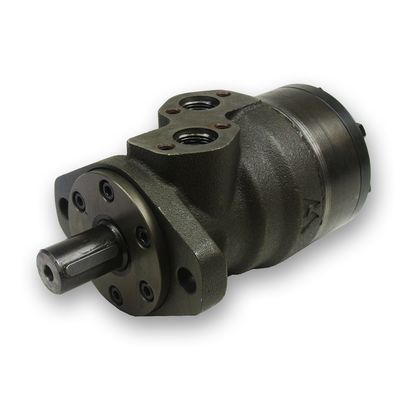
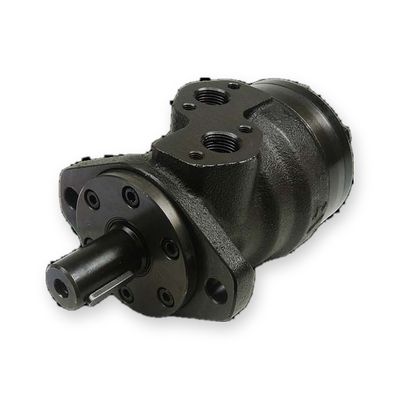
M+S MLHR Series Geroler Hydraulic Motor 50 to 400cc — High Pressure 200 Bar — Replaces Danfoss OMR (US)
M+S MLHR Series Geroler Hydraulic Motor 50 to 400cc — High Pressure 200 Bar — Replaces Danfoss OMR (US)
US-Pattern Roll-Geroler Motor — 200 Bar High Pressure Shaft Seal, 7/8 Inch UNF Ports, SAE A 2-Bolt, 9 Sizes, 12-Month Warranty
was AU$830.00
Save 14%
AU$715.50
On Sale
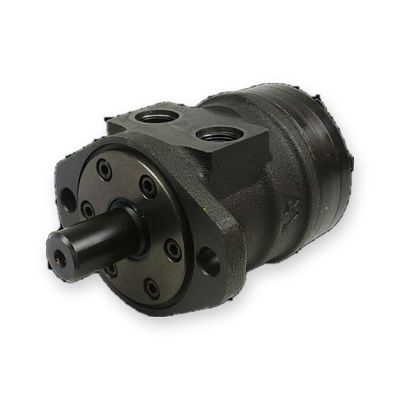
M+S HR Series Geroler Motor — Replaces Danfoss DS, Char Lynn S/T, Brevini BS, White WG
M+S HR Series Geroler Motor — Replaces Danfoss DS, Char Lynn S/T, Brevini BS, White WG
Geroler Orbital Motor | 51.5–386 cc/rev | 140 Bar | 450 Nm | SAE A 2-Bolt | 9 Sizes | 12-Month Warranty
was AU$913.00
Save 22%
AU$715.50
On Sale
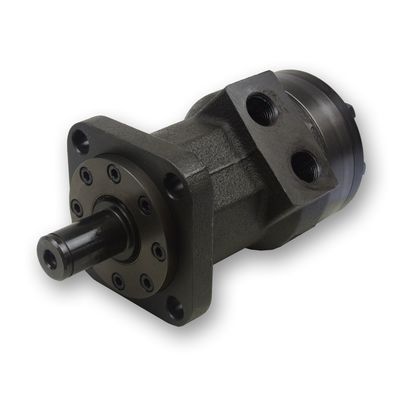
M+S RL Series Geroler Hydraulic Motor 50 to 400cc — SAE A 4-Bolt, Needle Bearings and 200 Bar Seal Standard — Replaces Parker TE
M+S RL Series Geroler Hydraulic Motor 50 to 400cc — SAE A 4-Bolt, Needle Bearings and 200 Bar Seal Standard — Replaces Parker TE
Heavy-Duty Roll-Geroler — Needle Roller Bearings, 200 Bar High Pressure Seal and SAE A 4-Bolt Mount Standard on Every Size — 9 Sizes, 12-Month Warranty
was AU$1,008.00
Save 6%
AU$952.20
On Sale
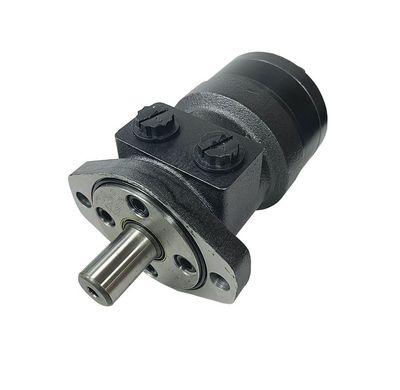
Zhenjiang BMRS Series Geroler Hydraulic Motor 50 to 400cc - Replaces Eaton S, Bosch BS, White WG, M+S HR
Zhenjiang BMRS Series Geroler Hydraulic Motor 50 to 400cc - Replaces Eaton S, Bosch BS, White WG, M+S HR
7/8 inch UNO side ports with 7/16 inch UNO case drain. Needle roller bearings and high-pressure shaft seal standard on every size. 12-month warranty.
was AU$550.00
Save 12%
AU$484.00
On Sale
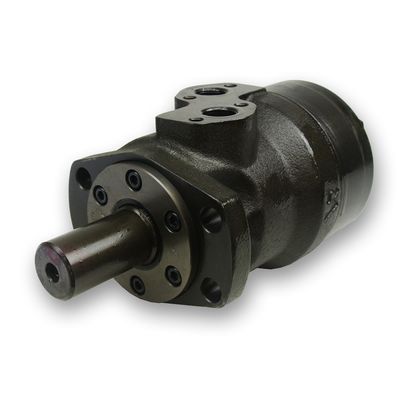
M+S MH Series Geroler Hydraulic Motor 200 to 500cc — Magneto 4-Bolt, 32mm Shaft — Replaces Danfoss OMH
M+S MH Series Geroler Hydraulic Motor 200 to 500cc — Magneto 4-Bolt, 32mm Shaft — Replaces Danfoss OMH
Big-Frame Roll-Geroler — 200 to 502cc, up to 840 Nm Continuous Torque, Magneto 4-Bolt Mount, 32mm Keyed Shaft, 12-Month Warranty
was AU$1,113.00
Save 16%
AU$936.00
On Sale
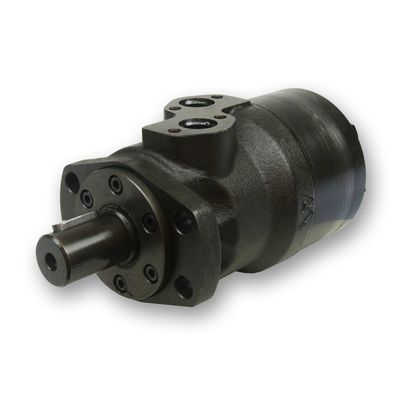
M+S MLHH Series Geroler Hydraulic Motor 200 to 500cc — Magneto 4-Bolt, 1.1/4 Inch Shaft, 7/8 UNF Ports
M+S MLHH Series Geroler Hydraulic Motor 200 to 500cc — Magneto 4-Bolt, 1.1/4 Inch Shaft, 7/8 UNF Ports
US-Pattern Big-Frame Roll-Geroler — 200 to 502cc, 1.1/4 Inch Keyed Shaft, 7/8 Inch UNF Ports, Magneto 4-Bolt Mount, 12-Month Warranty
was AU$1,113.00
Save 16%
AU$936.00
Display prices in:AUD