
Categories
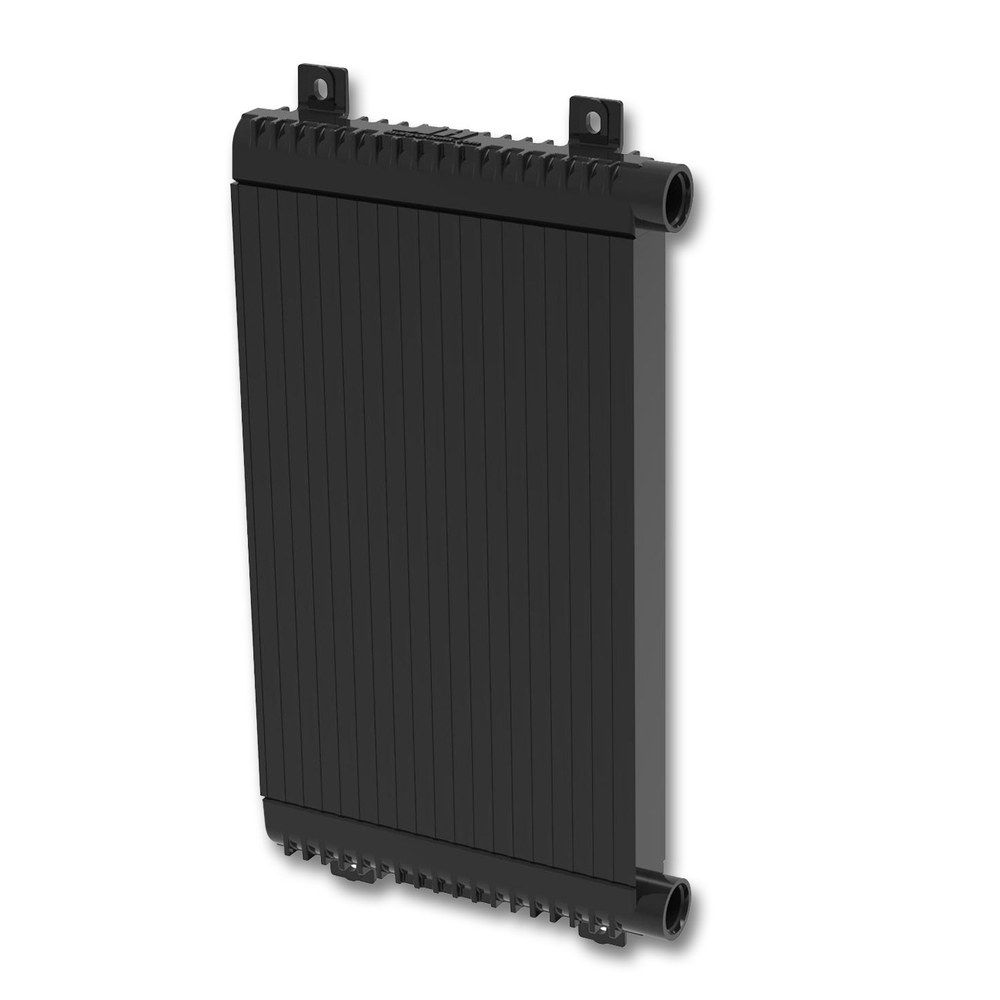
ASA Hydraulik 12 Series Aluminium Radiator Core - Bare Core, 26 bar, SAE 16 or SAE 20
SKU ILLEC1242K
AU$626.60
On Sale
was AU$783.20 Save 20%
Core Size
Please choose
In stock
1
Save this product for later
Customer reviews
Reviews only from verified customers
No reviews yet. You can buy this product and be the first to leave a review.
ASA Hydraulik 12 Series Aluminium Radiator Core - Bare Core, 26 bar, SAE 16 or SAE 20
Product Details
Brand: ASA Hydraulik
Weight: 2.60 kg
ASA Hydraulik 12 Series Aluminium Radiator Core - Bare Core, 26 bar, SAE 16 or SAE 20
This is the cooling element on its own: a bare aluminium core, no fan, no motor, no shroud and no housing. It is what you want if you are building your own cooling pack around your own fan and ducting, or if you have a good cooler with a damaged core and no reason to replace the whole unit. Five sizes from 330 x 220mm up to 540 x 630mm, all rated to 26 bar. Pick your core size below and it is on its way.
Ways to buy:
- Off the shelf - five core sizes in the picker below, 330 x 220mm through to 540 x 630mm. SAE 16 ports on all of them except ILLEC1296K, the largest, which is SAE 20.
- Building a pack? Add a fan. The generic MBD axial fans come in 190mm to 385mm, 12V or 24V, Push or Pull, which is the usual pairing for a core like this.
- Replacing a core in an ASA unit? The fan on the existing unit may well be reusable, but if it is tired, the ASA replacement fan kits are matched to specific coolers.
- Add the control - a temperature switch or fan controller so the fan runs on oil temperature rather than continuously.
- Not listed? Call us and we will factory-code it. Other core sizes and port arrangements exist in the ASA element range beyond the five held here.
Pick your model
| SKU | Core size | Ports | Maximum operating pressure | Material |
|---|---|---|---|---|
| ILLEC1242K | 330 x 220 mm | SAE 16 | 26 bar | Aluminium |
| ILLEC1260K | 540 x 220 mm | SAE 16 | 26 bar | Aluminium |
| ILLEC1290K | 540 x 320 mm | SAE 16 | 26 bar | Aluminium |
| ILLEC1292K | 540 x 420 mm | SAE 16 | 26 bar | Aluminium |
| ILLEC1296K | 540 x 630 mm | SAE 20 | 26 bar | Aluminium |
Core size is the face dimension of the element in millimetres. Note the port change on the largest core: ILLEC1296K is SAE 20, the other four are SAE 16.
What is in the box
- The bare aluminium core. The element in the size shown in your row, with its SAE ports.
- NOT included - no fan and no fan motor. This is a core, not a cooler.
- NOT included - no shroud, no housing, no guard and no mounting feet.
- NOT included: bypass valve, temperature switch, fan controller, sensors or gauges.
- NOT included: hose tails, adaptors, seals, hoses or wiring.
- The word Kit in the factory part code refers to how ASA lists the element. It does not mean a fan or a housing is supplied.
Specifications
| Parameter | Value |
|---|---|
| Brand | ASA Hydraulik, made in Austria |
| Product | Bare radiator core, 12 Series element |
| Material | Aluminium |
| Maximum operating pressure | 26 bar |
| Ports | SAE 16 on ILLEC1242K, ILLEC1260K, ILLEC1290K and ILLEC1292K. SAE 20 on ILLEC1296K. |
| Core sizes | 330 x 220, 540 x 220, 540 x 320, 540 x 420 and 540 x 630 mm |
| Circuit position | Return line only. Never a pressure line. |
| Fan | Not supplied. Chosen and mounted by you. |
| Housing | Not supplied. No shroud, guard or feet included. |
How to choose
- Size the core to the space you actually have. Four of the five are 540mm wide and differ only in height, so on most builds the decision is how tall a core will fit and how much face area you can feed with air.
- More face area beats more fan. If you have the room, take the bigger core. A larger, slower core with the same fan is quieter and works harder than a small core being thrashed.
- Check the port size before you commit. SAE 16 on four of them, SAE 20 on the 540 x 630 core. Make sure your fittings and your return line suit the one you order.
- Confirm 26 bar is enough for your return line. Add up everything downstream of the cooler, filters, check valves and long small-bore runs all put pressure back on the core. This is a return line component and never goes on a pressure line.
- Pick the fan to match the core face. A single fan on a wide core leaves the corners doing nothing unless the shroud spreads the flow, so plan the shroud, or two fans, at the same time as the core.
Technicians Advice
If you are replacing a core because the old one stopped cooling rather than because it split, prove where the problem was before you plumb the new one in and inherit it. The quick field test for internal blockage is thermal: get the system up to temperature, then run your hand carefully across the core face, or better still a non-contact thermometer, and look for cold spots.
A core passing oil evenly is warm right across. A patch that stays cool is a set of tubes that oil is not going through, usually varnish, sludge or debris from a failed component upstream, and if that is what killed the old core then a new one will silt up the same way unless you flush the system and fix the filtration first.
On assembly, remember this element is aluminium and the ports are the most abused part of it. Support the hose weight with a clamp within about 300mm of each port and leave a slack loop, because a length of oil-filled hose hanging off an aluminium port on a machine that vibrates will eventually crack the boss, and that is a cracked core rather than a leaking fitting.
Do the fittings up firm and even, seat the seals clean and dry, and re-check after the first heat cycle. Then look after the air. Leave a clear path both sides, roughly a fan diameter of free space on the discharge side, and do not build the core into a tight box, or the fan will just recirculate its own hot discharge and the pack will underperform from the day you commission it.
Seal your shroud to the core face, because a fan pulling through a gappy shroud draws its air around the outside instead of through the fins. When it comes time to clean, low pressure compressed air from the outlet side back towards the intake, so the dirt exits the way it came in. Never a pressure washer: it folds the fins flat and seals the face, and once fins are laid over you cannot get that capacity back.
Official Datasheets
📄 12 Series Radiator Cores (PDF)
Complete your setup
A bare core needs a fan and something to switch it. Both are listed separately.
Replacement Fan KitsFan Temperature ControllersTemperature Switches
Need help choosing? Call 1300 146 737 or email sales@mhfgc.com.au - real technicians, real answers.
Display prices in:AUD